TW: This interview contains mention of rape and suicide ideation. Please proceed thoughtfully.
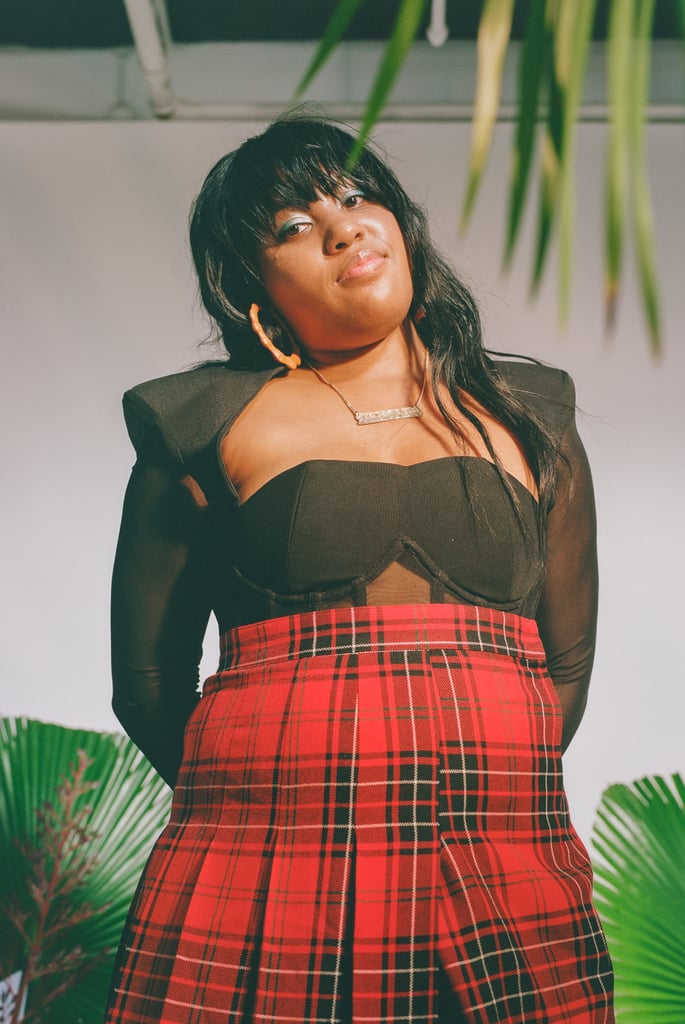
As a journalist and mental health advocate, D'Shonda Brown (@signedshonda) champions Black stories, making the community feel seen and heard one interview at a time, while also taking them along her mental health journey and inviting them to embark on transformations of their own.
You've always prioritized telling Black stories. Why is that so important to you?
My tagline is "shifting the culture through dope convos," and I do just that. I make it a point to let people know that my content is Blackity Black Black Black — meaning that you're going to hear some Black questions from a Black woman talking to a Black talent about things that impact the Black community and us as Black women.
You've previously been open about your past trauma. What advice do have for others who've had a similar experience and are struggling to push through?
When I was raped, I felt powerless, like I wasn't in control. I want boys, girls, nonbinary folks, and everyone in between to know that you do have the power. Someone is here for you, and if you don't have that person, I'll be that person. Listen to yourself and be honest about your healing process. Sit and breathe with your own thoughts for a second, and if you don't want to be alone or feel like you can't trust yourself to be alone, it's always good to know that someone is there on the other line or in the room that wants to be there for you. We just have to let them.
How do you prioritize your mental health in the news cycle we live in today, especially being a journalist?
Anyone who knows me knows that I am so big on mental health, no matter what's going on. "How's your mental health doing?" is how I open any and every conversation. Whether it be with my colleagues or an A-list talent — I don't care who it is. I need to know how you're actually doing because it wouldn't sit right in my spirit as a human if I put a soundbite over the mental health and well-being and who I'm talking to. If you tell me you're good, then I'm good. If you tell me you're just OK or you've been better, I have no problem rescheduling because I want you to be at your best. I won't lie, though: I'm still learning how to do all of that for myself. Taking breaks, pausing, and realizing that the world won't set itself ablaze if I take a few days or a week off is really hard for me. I'm back in therapy, I openly communicate with my support system about how I'm feeling, and I try to figure out a plan as to what healing looks like for me. Sometimes, I have to just close my laptop, walk away, cry for a few minutes, and come back to center.