PS: Were any scenes particularly emotional or memorable for you to film?
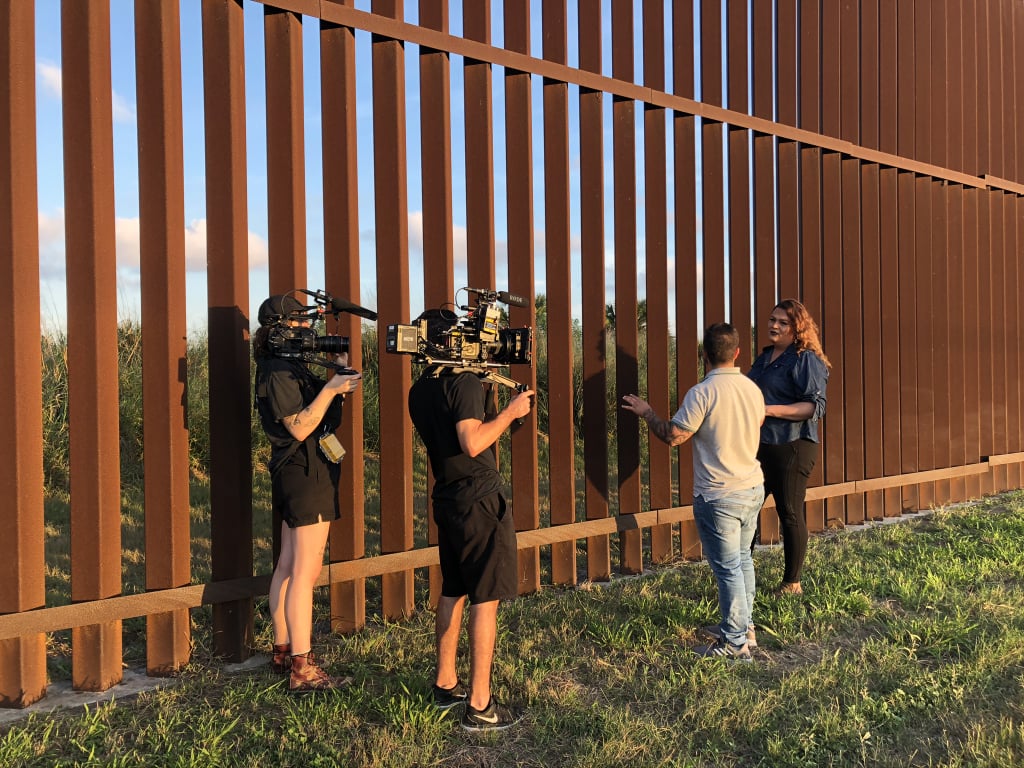
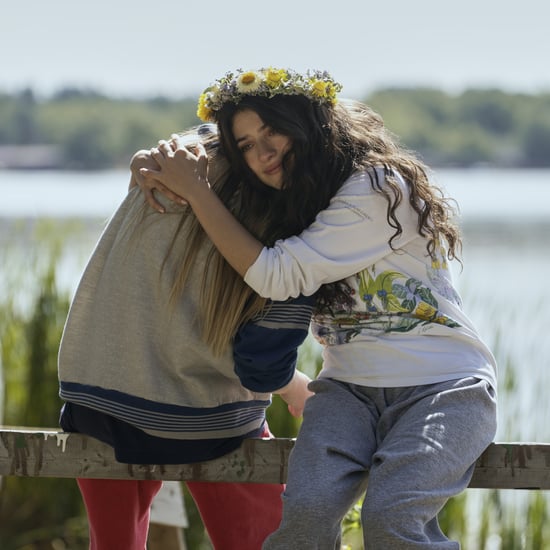
TZ: The most emotional scene we filmed was in Texas, when our character Rebecca discussed the sacrifices her mom went through to get her across the border. I was sitting at the table with Rebecca and her mom, when all of a sudden Rebecca and her mom started crying, and they reached in for a hug. My DP Leroy had to keep it together to film this moment, but he ended up shedding a tear and the rest of the crew and I were all bawling behind the scenes. It's an emotional moment that appears in our Texas episode when we stream.
"If I had been able to see a film like Trans in Trumpland as a young person, it would have changed my life . . . It would have helped me see that I exist. That I'm valid. That trans people are living all over this country and around the world."
PS: What was the most exciting moment in recognition of your work?
JD: I think just selling our series to Topic and signing the executive producers really vindicated things for me — like, wow, we're really out here doing this as independent trans filmmakers. We're being creative together and trying to make even just a tiny difference in the world through our films.
TZ: There was also a Facebook comment we saw that really made us tear up about the devastation of the last four years on the trans community and the impact our trailer had on this commenter.
PS: How would this film have helped you when you were a younger person growing up in the LGBTQ+ community?
TZ: Growing up, I had a very different reality. I didn't see myself as a trans person anywhere. I grew up in a mixed Greek and Iranian-American family outside of Boston in the '90s, and I didn't hear the word "trans" until I was 19 in college at Wesleyan University. If I had been able to see a film like Trans in Trumpland as a young person, it would have changed my life. Especially to see a trans man directing and hosting the film and meeting up with trans people all over the country. It would have helped me see that I exist. That I'm valid. That trans people are living all over this country and around the world. That's the beauty of film — it allows you to see different realities in an instant.
JD: I didn't have ANY representation when I was a kid. I grew up in a first-generation Italian-American family; all my siblings are wonderful, but none of them are trans or queer. And I went to Catholic school, so I really had zero idea of what was going on with me. I just knew that I loved wearing "boys" clothes and that I cried when my mom told me I had to wear a dress at my Communion. If I saw stuff like this growing up, maybe I would have figured out who I was a lot earlier on. I just hope some young kid sees it and maybe doesn't feel so alone in the world, as cheesy and cliché as it sounds — isn't that the goal of art?