A Case For Eating Peas
It's Time to Admit I Was Wrong About Peas

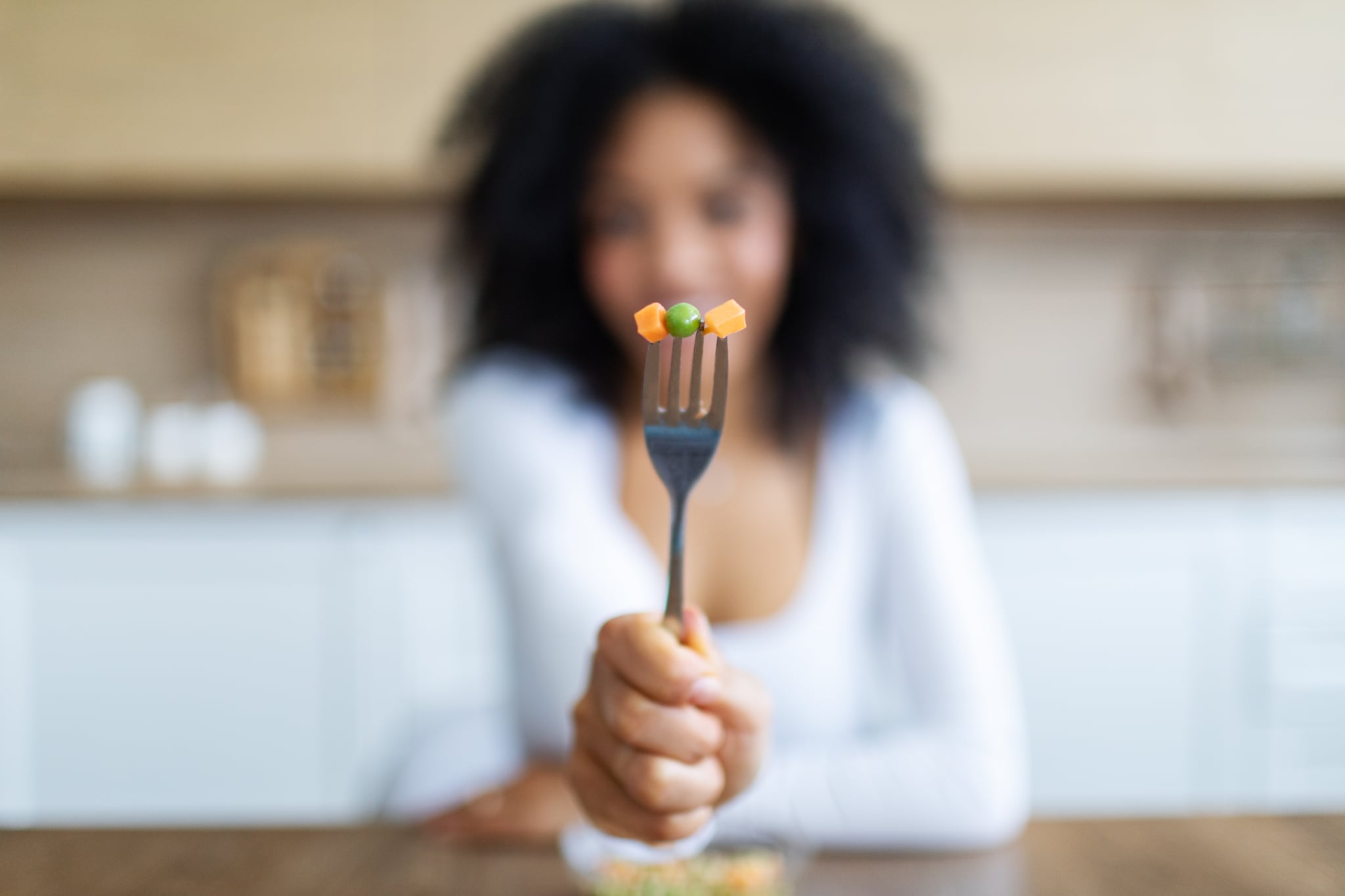
I'm not a lover of green peas. And before you judge me, please understand that I'm not some millennial with the arrested palate of a child who survives exclusively on chicken fingers and french fries. I've loved okra, fried or stewed, since I was a little girl. I thoroughly enjoy broccoli rabe and eat creamed spinach regularly. And on Sunday, I'm always in the mood for Black-eyed peas and rice. I love a good vegetable, but green peas and I have simply never had the relationship my mother hoped we would.
I'll never forget being in kindergarten, eating dinner off my McDonald's Happy Meal plate (yes McDonald's used to have plates, it was the 90s) and my Mom served me green peas and I hated the taste almost immediately. I told her I wasn't eating them and I meant every word. But then she made me a promise that she's kept to this day: If I ate them one time, I would never have to eat them again. So I swallowed the peas as quickly as I could and made a vow that me and green peas would never cross paths after that night.
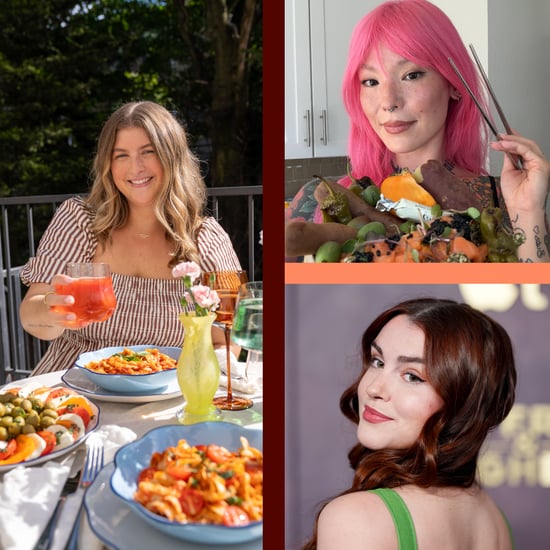
And for decades, that's exactly what happened. Then all of a sudden a few months ago, green peas were everywhere on my timeline. Apparently Raven Ross, one of my favorite wellness creators and the founder of Pilates Body by Raven, had decided that green peas deserved a rebrand.
"Nearly 30 years after my mother promised I'd never have to eat them again, I'm voluntarily putting them on my own dinner plate."
Now, I love Raven. Clearly, I'm not alone. With approximately 915,000 followers on Instagram and another 755,000 on TikTok, the Pilates instructor and wellness entrepreneur has built quite the community. But who did this woman think she was, making me reconsider a nearly 30-year commitment to avoiding green peas? A commitment I'd made in my mother's kitchen and upheld for most of my life, might I add. And as a fellow April Aries, she should know better than to challenge a decision I've been standing on business with since 1998.
The culprit? Fibermaxxing. If you've spent any time on the wellness side of TikTok lately, you've probably encountered the trend, which encourages people to be more intentional about incorporating fiber-rich foods into their daily meals. And while fiber itself is hardly a new discovery, social media has managed to breathe new life into the conversation around it. Apparently, it's also managed to make the humble green pea a main character in my life again.
Her videos were talking about peas, fiber, and colon health and how more fiber leads to lowering the risk of colon cancer which immediately peaked my interest. According to research and analysis from the American Institute for Cancer Research, each additional 10 grams of fiber per day is associated with about a 7 percent lower relative risk of colorectal cancer. That's an association with fiber overall, not proof that peas prevent cancer, or that eating one pea recipe will protect you, but could it help?
Johane Filemon, RDN, a registered dietitian nutritionist remains cautiously optimistic about the benefits of peas — and fibermaxxing in general. She says that the trend has caught on partly because fiber is linked with weight management, gut health, and feeling full for longer. But social media can make a nutrient sound like the next quick fix. "Fiber isn't new," she says, "but the way we're talking about it certainly is!"
Filemon describes Ross's pea penchant and fibermaxxing as well-intentioned efforts to eat more fiber, but says the goal isn't to eat as much as possible. "The goal should be to meet your individual fiber needs through a variety of whole foods rather than simply trying to consume as much fiber as possible." While analysis from The American Society for Nutrition found that only 5 percent of men and 9 percent of women met recommended fiber targets, where roughly 9 in 10 adults fell short — Filemon cautions that people can increase their intake too quickly or eat more than their digestive system comfortably handles. "What works for one person's gut may not work for another's," she says.
That applies to peas, too. There's nothing inherently wrong with eating them every day, Filemon says, as long as they aren't your only source of fiber and you tolerate them well. There's no single "best" vegetable she adds, recommending a variety and gradually adding fiber-rich foods.
As I thought about giving peas another chance, I realized they had already slowly found their way back onto my plate already. I love diri djon djon, the Haitian black mushroom rice, and it has green peas in it. I've also had them in Thai food at some of my favorite restaurants around the city, too. So having them as the star of a meal wasn't as much of a shock to my palate as I thought it would be.
One of the recipes I tried paired peas with chili oil and chicken. I cooked the peas until they got a little crispy, so they had some snap, then added pieces of chicken. I also tried a Caesar-salad-inspired version with peas, Parmesan, and chicken and found myself bookmarking similar recipes afterward. In other words, I was 100 percent influenced to eat green peas after nearly three decades of avoiding them. Now will you catch me sitting down to a steaming bowl of them every day? Probably not, but I'll admit I've learned to appreciate them in ways my five-year-old self never could have imagined.
This experiment reminded me, that eating well should still be enjoyable. Whether you're revisiting a vegetable you've sworn off since childhood or looking for new ways to add fiber to your meals, there's room to experiment without turning every meal into an assignment. Start slowly, pay attention to how your body feels, and find what tastes good to you. Peas aren't the only way to get more fiber, and there's no reason to force yourself to eat something you genuinely dislike.
As for me, I've officially made peace with green peas. Nearly 30 years after my mother promised I'd never have to eat them again, I'm voluntarily putting them on my own dinner plate, just don't tell my Mama I told you.
Yasmine Jameelah is a seasoned wellness journalist, editor, and community builder, and the founder of Transparent Black Girl, a groundbreaking wellness platform that has reached over five million Black women worldwide. Her insightful work and leadership have been featured in The New York Times, Essence, Popsugar, Coveteur, and Oprah Daily.