The Problem With Making Groceries a Status Symbol
It's Time to Deinfluence the Grocery Store

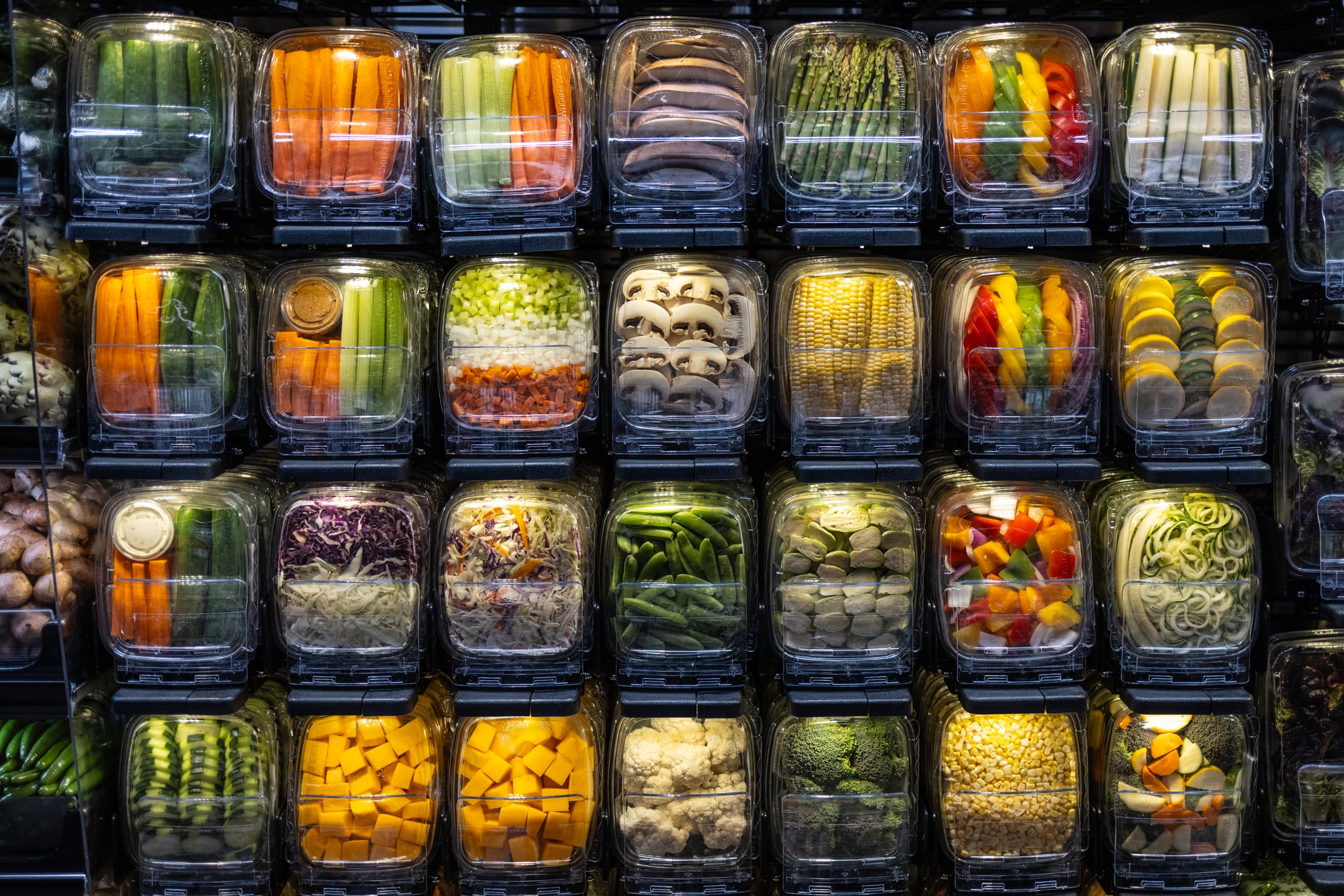
I won't deny that I'm a gal who loves a fancy grocery store. If I'm honest, my introduction to affluent grocery stores started pretty young growing up in the suburbs of New Jersey. My Dad always preferred to shop at Kings, what many would consider a gourmet chain grocery store. When we wanted seafood, he'd head to his favorite fish market next door, and some of my fondest memories growing up were when we got home. He'd put the lobsters on the floor and pretend they were chasing me while the water was boiling. I can still remember those moments, the excitement of bringing something home, and how something as simple as a trip to the fish market could turn into a memory I'd carry with me well into adulthood. He was intentional about where we shopped and what we brought home.
With his Mom on the other hand (my grandma), an older Black woman from the south, shopping meant sales and weekend trips to BJ's, where I made it my business to sample just about everything they were giving out while she shopped. And then there was shopping with my Mama, and we never just one grocery store. Our usual stops were Pathmark (RIP to that chain except for the one in East Flatbush) and ShopRite but if she was making a dish that called for produce she couldn't find there, we'd head to Hispanic grocery stores like Bravo or SuperSuper and we'd go to the Halal local market for beef bacon and turkey sausage.
Looking back, I think that's what I loved most about grocery shopping growing up. Each door to each store opened my eyes to a different culture, different tastes, and different ways of shopping. There was something special about knowing where to go for certain things, whether it was fresh seafood, a particular cut of meat, or produce you couldn't always find at your neighborhood supermarket. And perhaps without even realizing it, I was learning that there was no one way to shop, no one place where good food lived, and no one price tag that determined whether something was worth bringing home.
For me, grocery shopping has always been about more than simply filling a cart. It's about knowing what you love, where to find it, and the people who taught you how to look for it in the first place. But flash forward to 2026, and somewhere along the way, it seems as though where we shop has become a status symbol. Over the last few years, high-priced, influencer-vetted grocery stores have popped up all over the country, from the OG Erewhon to newer stores like Nude Miami and Butterfield in New York.
"I think part of the appeal is participating in a lifestyle that folks may not be able to afford more broadly," says Fatou B. Barry, marketing and communications strategist and founder of PR Girl Manifesto. "They might not have the budget for a luxury vacation or a designer wardrobe, but they can visit a beautiful grocery store, try the item they're seeing everywhere, and make an afternoon of it. For that moment, they get to feel part of that world, even if it's not what their everyday life looks like."
"Sometimes the best things we bring home have very little to do with what we spent to get them."
And she's right. You might not be able to afford a $20,000 Birkin bag or fly private like your favorite celebrity, but you can walk into a luxury grocery store and buy something that makes you feel connected to an affluent world, even if it's just for a moment. And perhaps that's what makes these stores so appealing. It's not always about what's in your grocery bag, but what the bag itself represents.
Barry also points to the role that social media plays in making these stores desirable, particularly for those looking to build their own platforms online. "The celebrity collaborations, the way the stores look, the products they carry, and the content people share all help build this idea of who shops there and what their life looks like," she explains. "Buying something becomes a way to feel connected to that lifestyle."
And for some, that experience can become more than an afternoon spent shopping. Barry notes that aspiring creators may share their visits in hopes of catching a brand's attention, earning a repost, or even opening the door to a future collaboration. "From a marketing/pr perspective, that's powerful because customers are helping build the association they're buying into. Their posts make the store feel like a place worth being seen, which gives the next person a reason to visit."
That said, aspiration and reality doesn't always align. I've never once had an Erewhon smoothie. One, because I don't live in Los Angeles, but also, if I'm honest, I know there are a myriad of local, independently owned businesses that offer quality alternatives. Whether I'm looking for quality smoothies or meat selections for holidays, I've found that I don't necessarily need to step foot into a luxury grocery store to get what I want.
At the same time, as an African American woman who has now lived in both the suburbs and the city, I understand that for many people living in food deserts, shopping at certain grocery stores just isn't an option. According to the USDA's Food Access Research Atlas, an estimated 18.8 million Americans lived in low-income, low-access census tracts based on 2019 food-store data, where a significant portion of residents lived more than one mile from a supermarket in urban areas or more than 10 miles in rural areas. On top of that, the price gouging that can occur in urban neighborhoods, the lack of access to fresh produce, and the reality that not everyone has the luxury of choosing between five different grocery stores are all part of this discussion. It's not just where you can you shop for the best food. It's where is food accessible, where are the prices sustainable, and where can I access the food that brings me joy?
Now, I'm not saying there aren't things at Butterfield, like their coconut-crusted chicken, sheep's milk yogurt, and smoothies, that can catch your eye. But they shouldn't be your end all be all when it comes to holistic shopping. ShopRite has a food court, your favorite bodega blends fresh juices, and so does Whole Foods, if you don't have mom-and-pop stores in your neighborhood. Who gets to decide what is the healthiest grocery store or that some luxury smoothie shop can do it better than your local juicer, who remembers your name and can make you smoothies for a week at the same price as the luxury option.
The beauty of grocery shopping has never been confined to one store, one neighborhood, or one price point. There's nothing wrong with enjoying a little luxury, but good food, and the joy that comes with it, shouldn't be reserved for those who can afford the most expensive grocery bag. Sometimes the best things we bring home have very little to do with what we spent to get them.
Yasmine Jameelah is a seasoned wellness journalist, editor, and community builder, and the founder of Transparent Black Girl, a groundbreaking wellness platform that has reached over five million Black women worldwide. Her insightful work and leadership have been featured in The New York Times, Essence, Popsugar, Coveteur, and Oprah Daily.