Ancient grains are defined by the Whole Grains Council as "grains that are largely unchanged over the past several hundred years." And because they are minimally processed, they are healthier than refined grains because they're fiber- and protein-rich and loaded with nutrients. What's more? Ancient grains have the added perk of being more planet-friendly because they require less pesticides, fertilizers, and irrigation to grow. And, they are surprisingly more flavorful than most refined grains (in a comforting, earthy way).
Just a few years back most of us couldn't even pronounce the word quinoa, yet alone cook with it. These days, even the most novice nutritionistas are confident whipping up a nourishing quinoa bowl. But as much as we all adore quinoa, there's a long list of ancient grains that should be on your radar (and in your pantry), including farro, millet, buckwheat, spelt, kammut, amaranth, teff, sorghum, wild rice, black barley, and blue corn. Why? "The best way to ensure that you're getting the full spectrum of nutrients available in nature is to eat a variety of different grain foods. After all, each whole grain has something different to offer (from the calcium in teff, to the soluble fiber in barley)," advises the Whole Grain Council.
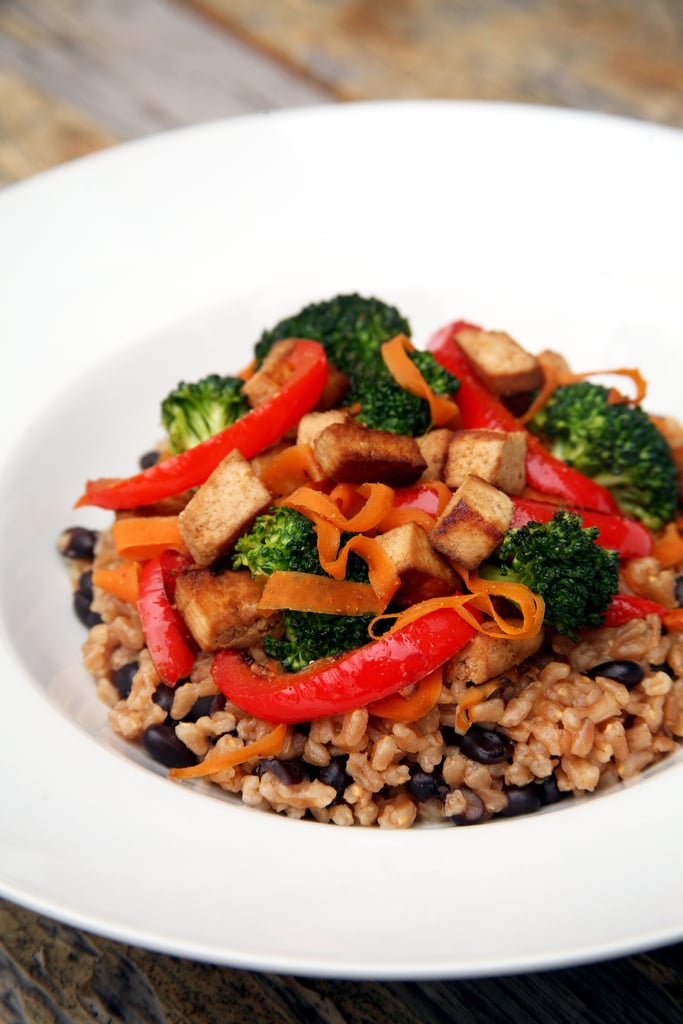
In 2016, resolve to experiment with just one new ancient grain per month, and by year's end you'll have at least a few new favorite go-to grains in regular rotation. Need a little inspiration? We can't get enough of this comforting maple-cumin tofu with farro or this perfect millet salad with pomegranate.