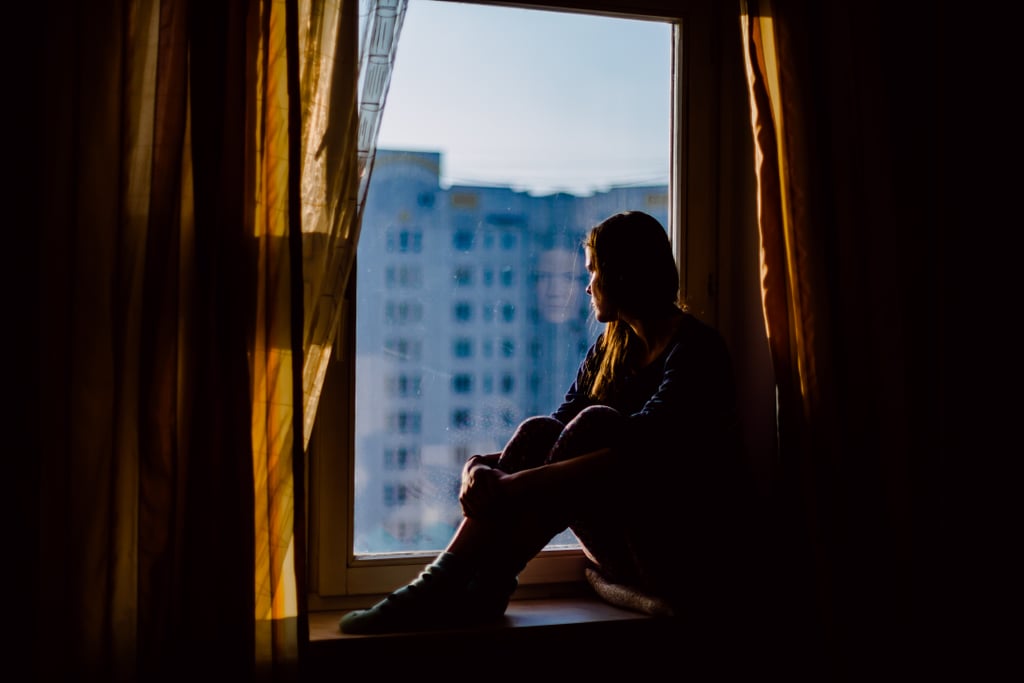
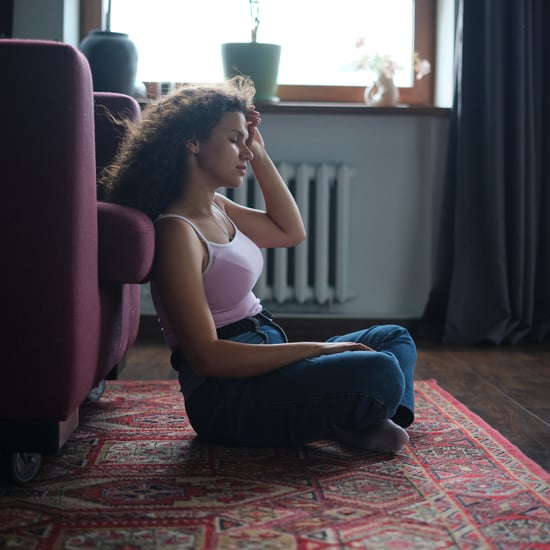
No surprise that many of the experts we spoke to reported seeing more patients develop symptoms of depression and anxiety since the beginning of the COVID-19 pandemic. "Many of us are experiencing a great deal of anxiety right now," said Jenna Carl, PhD, a clinical psychologist and vice president of development and medical affairs at Big Health. "We tend to feel better when the future is somewhat predictable," she explained, "and the pandemic has shaken our sense of control and certainty, creating a perfect storm for anxiety." It's normal to feel all over the place right now, added Tanya Jones-Awolusi, LCSW, of Butterfly Effect Counseling and Consulting. "Anxiety, depression, panic, grief, trauma, and anger pop up day to day and session to session," she said of her experience with clients during the pandemic.
What to do: "Self-compassion is one of my top tips for coping during this time," said Rachel Potter, LCSW, of Strive Behavioral Counseling and Well-being. "Being gentle with yourself and recognizing that you are doing the best you can in a unique and challenging circumstance." Jones-Awolusi added that a support system is key: "A person to check in with, a friend to talk to, a pastor to confide in, or a neighbor to share a smile with." Making an appointment with a mental health professional may also be helpful; they can recommend specific coping techniques or talk to you about medication options.