Water Safety Tips For Parents
25 Water Safety Tips That Could Save Your Child’s Life This Summer


Long days, unlimited play dates, higher temperatures, and relaxed bedtimes are just a few of the long-awaited summertime perks children dream of all school year-long. While every child's Summer vacation looks a little different — from sleep-away camp to family vacations — water is definitely a common denominator for everyone.
While lounging poolside and taking a dip in the ocean are relaxing ways for families to spend a Summer day, it's still tough to ignore the fact that there are serious safety risks — and even fatal consequences — that can occur while kids are in, on, or around any body of water. But fortunately for parents, there are a ton of water safety tips that can be practiced whenever your child is swimming (or even near water in general), so that everyone can stay safe while still having fun this Summer.

1 Start a Child’s Water Education ASAP
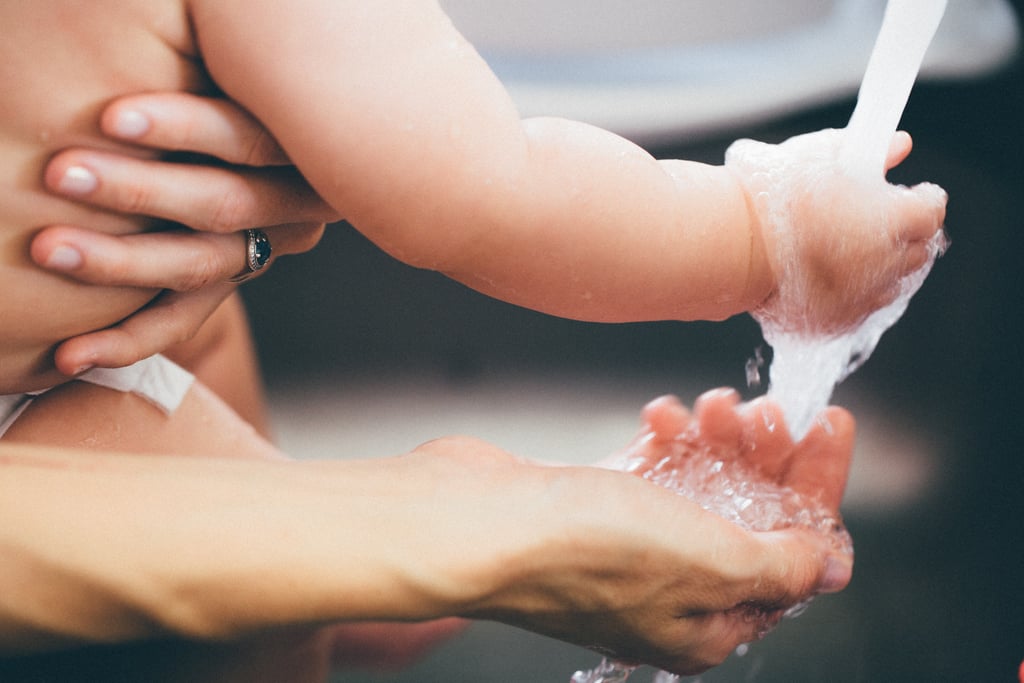
2 A Child Can Start Swim Lessons as Early as 6 Months Old

3 But Don’t Rely on Swim Lessons Alone
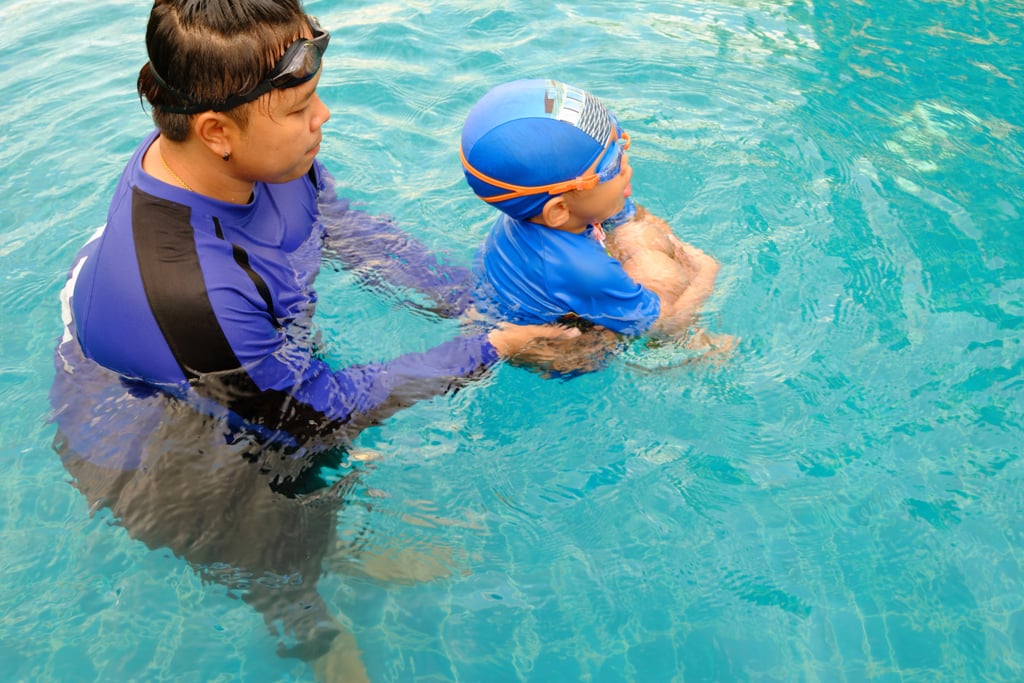
4 A Child Can Drown in Even Small Amounts of Water
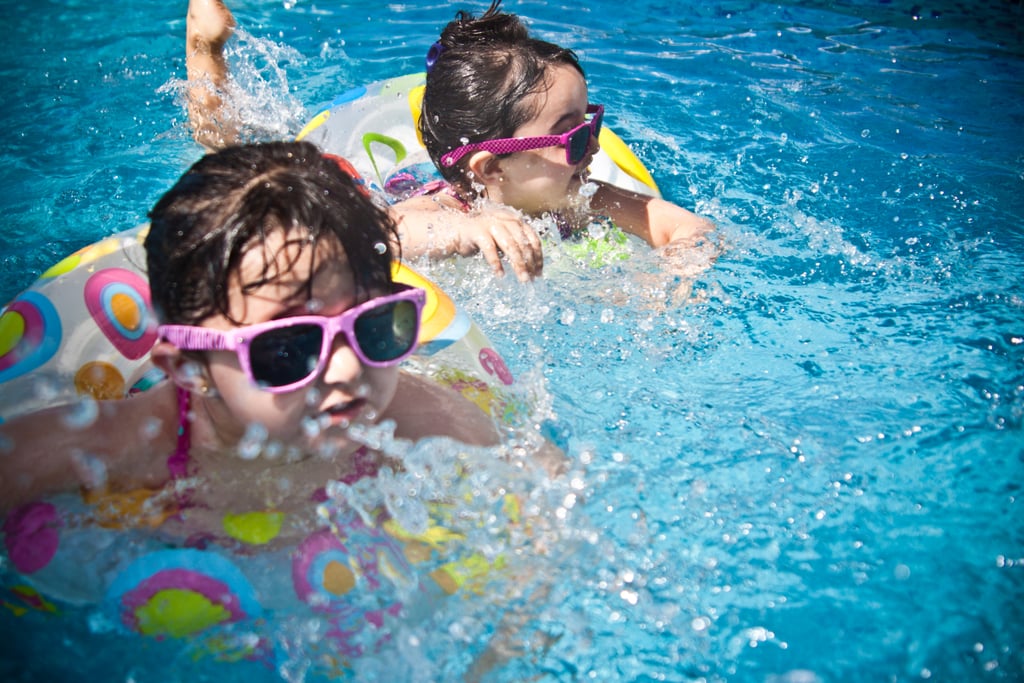
5 Children Should Always Swim in a Supervised Area
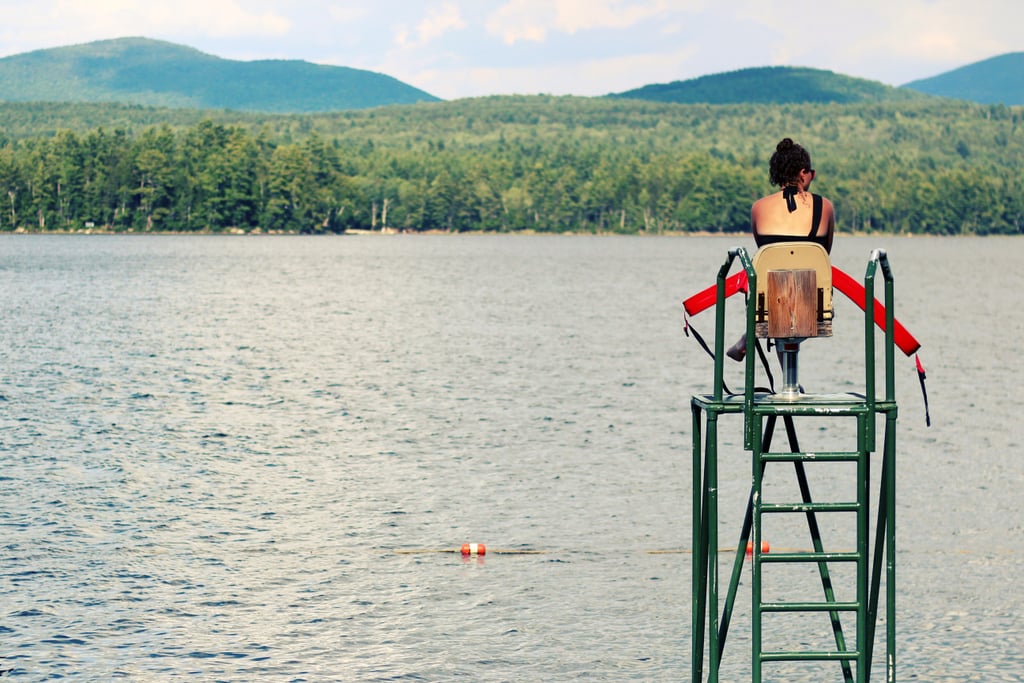
6 Receive Proper Water Safety Training Before Bringing a Child Around Water

7 Children Should Not Rely on Each Other for Help

8 Know What to Do If Drowning Occurs
9 Always Clean Up Pool Toys After Use

10 And Understand the Threat of Water Toys

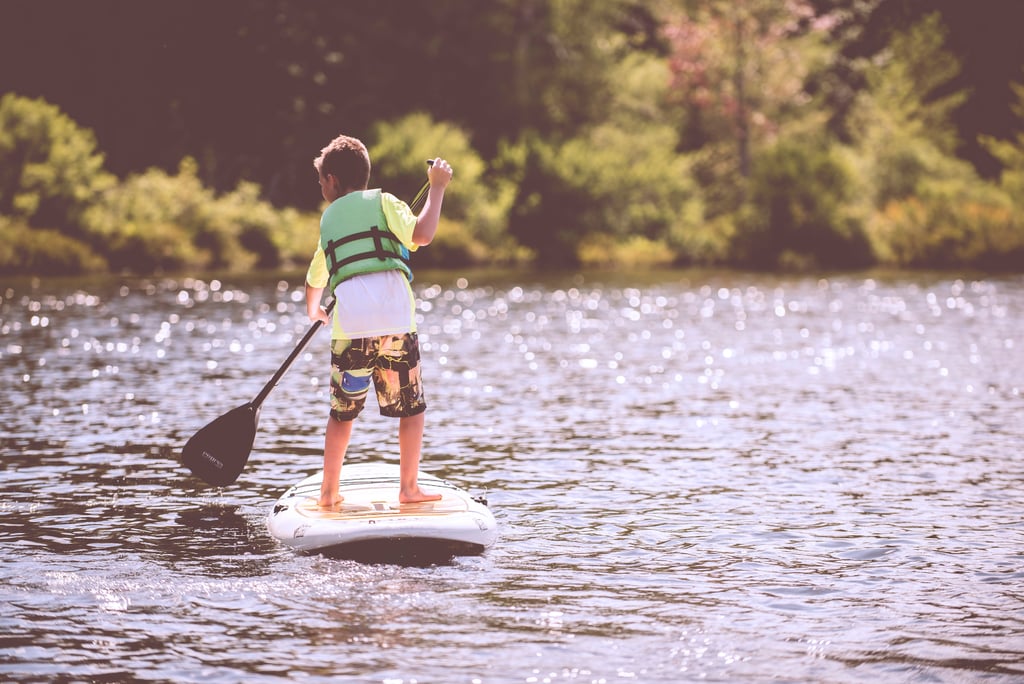
11 Only Use US Coast Guard-Certified Life Jackets and Floatation Devices

12 Pool Fences Should Be at Least Four Feet High

13 Always Be Within Arm’s Reach of a Child in Water
14 Set Rules and Boundaries With Kids Before Swimming

15 When a Pool Is Not in Use, Remove the Ladders and Keep It Covered

16 Drain Kiddie Pools While Not in Use
17 Become CPR/AED Certified
18 Keep a Safety Floatation Device Near the Water

19 A Personal Floatation Device Does Not Substitute Parental Supervision
20 If a Parent Can’t Swim, They Should Still Be Water Smart
21 Become Water Confident

22 Only Enter the Water to Rescue a Child If You're Certified to Do So

23 Be an Active Water Watcher

24 Utilize Online Resources and Apps

25 Be the First Line of Defense