Yoga should never hurt. Push your muscles to the point of being worked, not overstretched.
Deep and even inhalations and exhalations should be your main focus. Use your breath to guide your movements and to know how long to hold poses. Move at your own pace — it's OK to go out of sync with the rest of the class.
Your soft drishti (focused gaze) is important. It relaxes the mind and helps you stay balanced in challenging poses.
In standing poses like Warrior 1 and Fierce, make a mental note to relax the toes. Clenching the mat for dear life puts unnecessary strain on the feet.
Borrowing a mat for your first class is fine, but after that, it's time to buy your own yoga mat to reduce your exposure to germs and bacteria.
Bring a hand towel to wipe sweat from your face and to place on the top of your mat to prevent slippage.
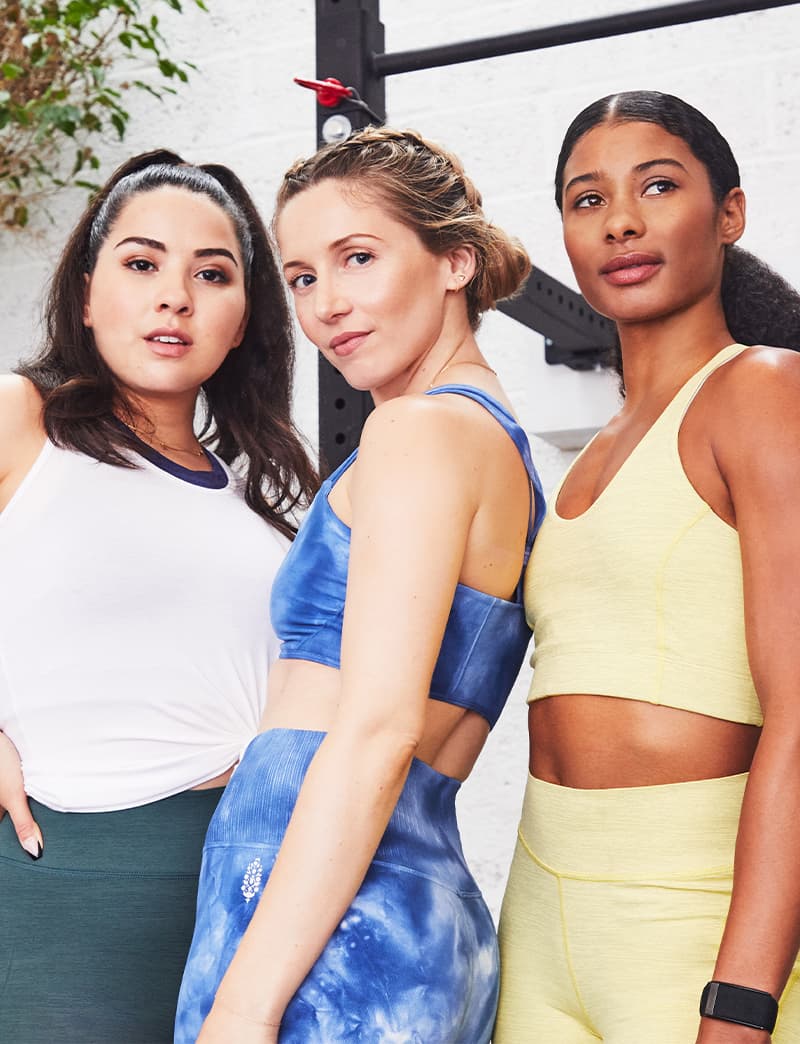
Wear capris or pants. The fabric will absorb more sweat and will also make arm-balancing poses easier (slippery skin-on-skin contact is dangerous!).
It's OK to speak up if an instructor's adjustment is hurting you or if you don't want to be touched at all.
Do Chaturanga push-ups to work your triceps even more during vinyasas and Sun Salutations.
Choose faster-paced styles of yoga such as Ashtanga or Vinyasa to burn more calories while also getting a good stretch.