I'm not really one for resolutions, but I'll admit that when the new year swings around, I get the itch to refresh my routine. As a fitness editor, I spend a lot of the year trying out new classes, eating plans, and workout techniques, putting fitness myths to the test. A lot of them don't work out, but every so often, I'll love a short-term experiment so much that I mix it into my usual routine. Those are the kind of new-year changes I'm looking for in 2020.
Not all fitness resolutions have to be about weight loss or muscle gain (although those are great goals to have!). Refreshing your health and fitness game can be as simple as getting more sleep, drinking more water, making time for mental health, or setting a fun goal, like completing a set of push-ups or pull-ups every day. And if there's a fitness practice you're intrigued by, chances are one of our editors has tried it and can tell you if it's worth your time.
Ahead, we've rounded up some of our favorite experiments: specific, actionable things you can do to feel better on a daily basis, from moving up your bedtime by 20 minutes to meditating for 10 minutes a day. They range from simple to challenging, but our editors found that the obstacles were worth it. Read through their experiences, choose a favorite or two, then try them out and see for yourself.
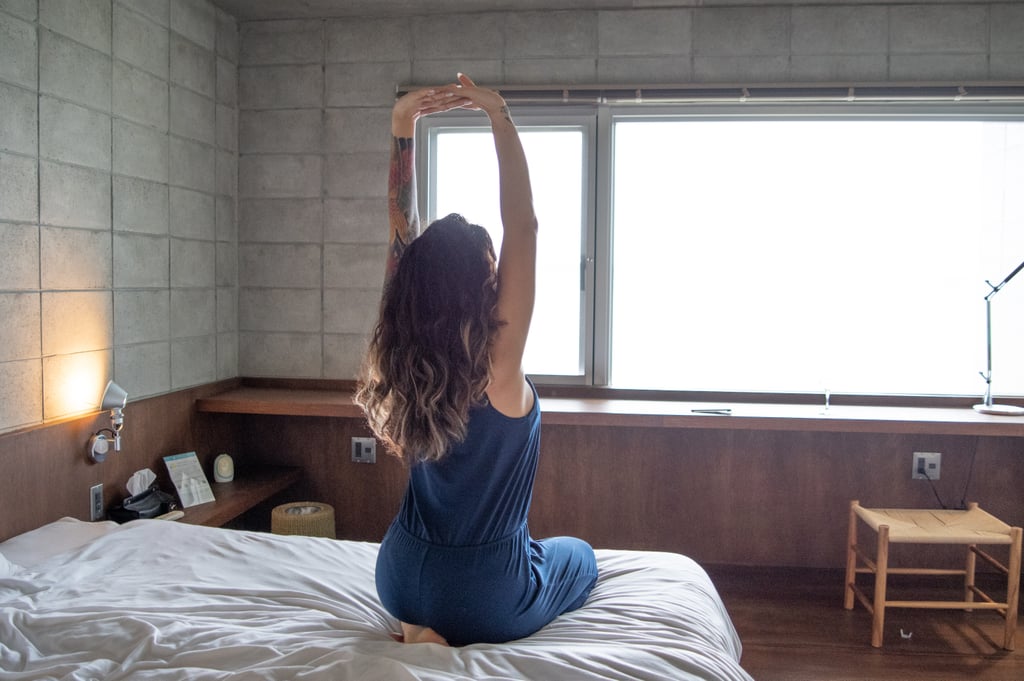
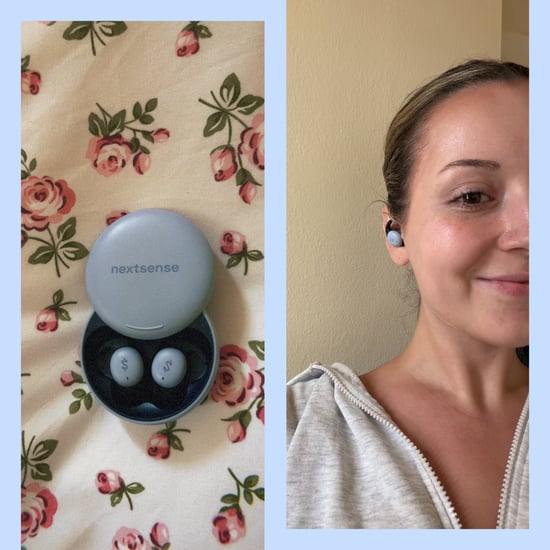
Get seven or eight hours of sleep a night? That might be an intimidating goal. But moving up your bedtime by 20 minutes is doable, and it helped this editor feel more energized and less stressed.
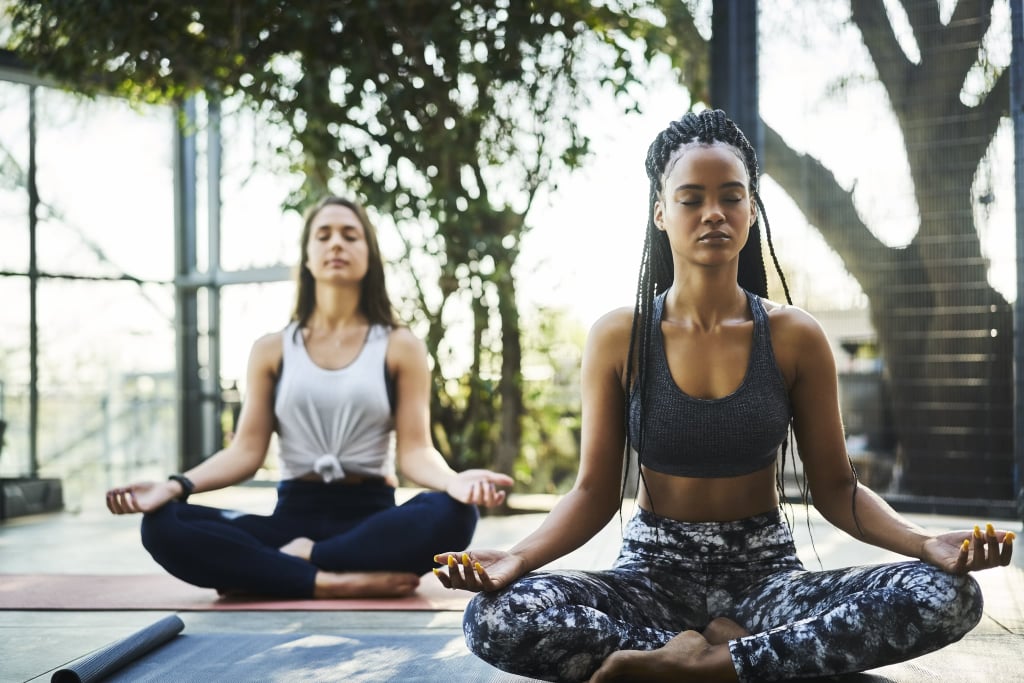
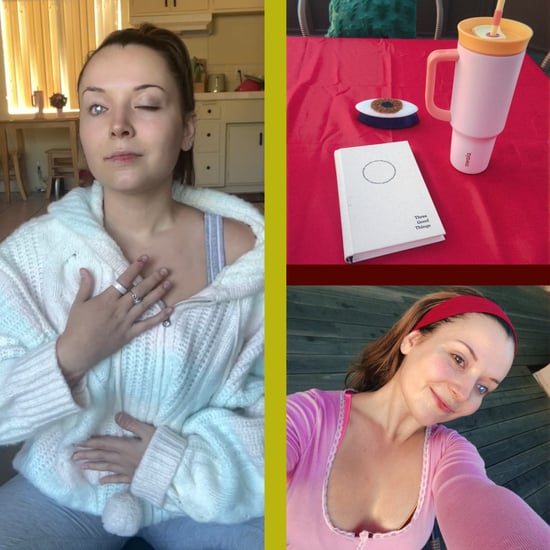
Quiet your thoughts, ground your body, unwind: meditation feels great, but it's not always an easy practice to begin. Our editors started with five- to 10-minute daily sessions and recommended patience and self-acceptance while you ease in.
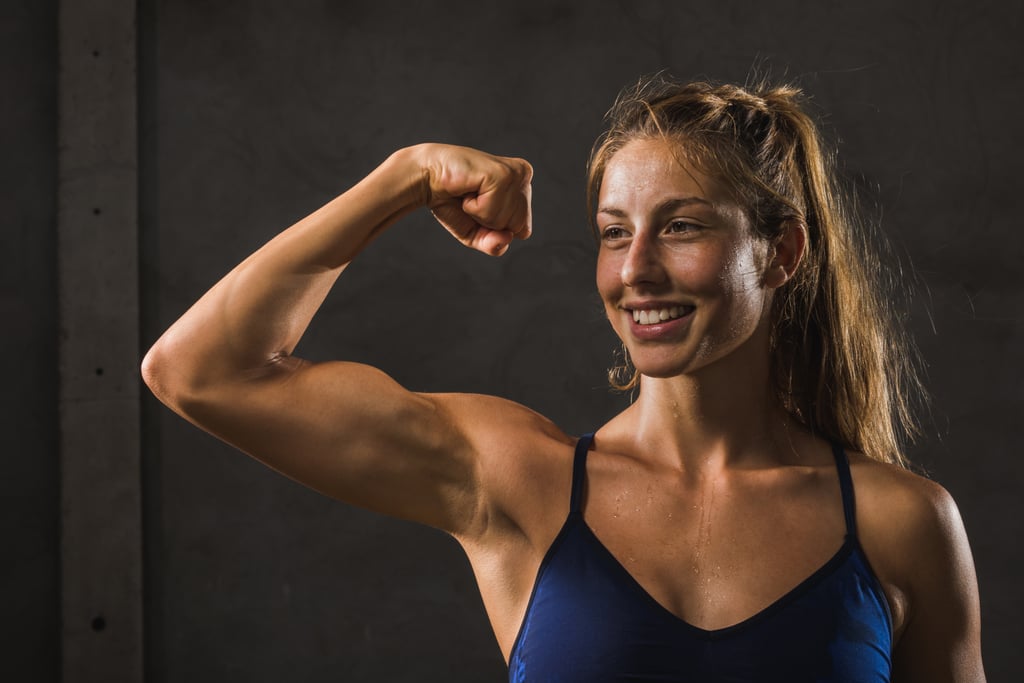
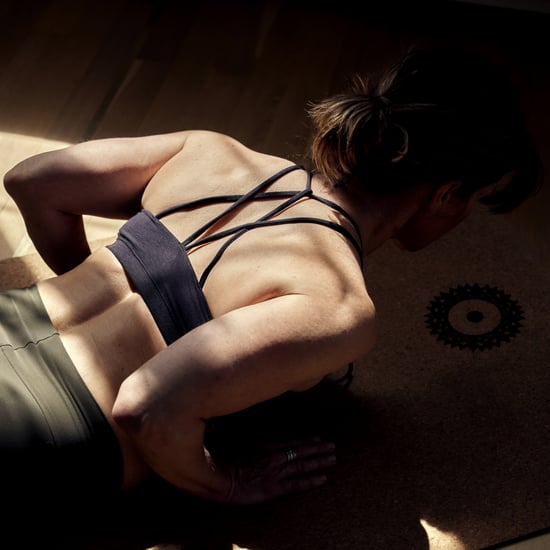
Granted, 50 push-ups might be a reach for you right now, but setting a specific daily fitness goal is a great way to hold yourself accountable and stay motivated. You can start with a lower number or use even a different exercise, as long as it's something that's challenging for you. (Try burpees or pull-ups.)
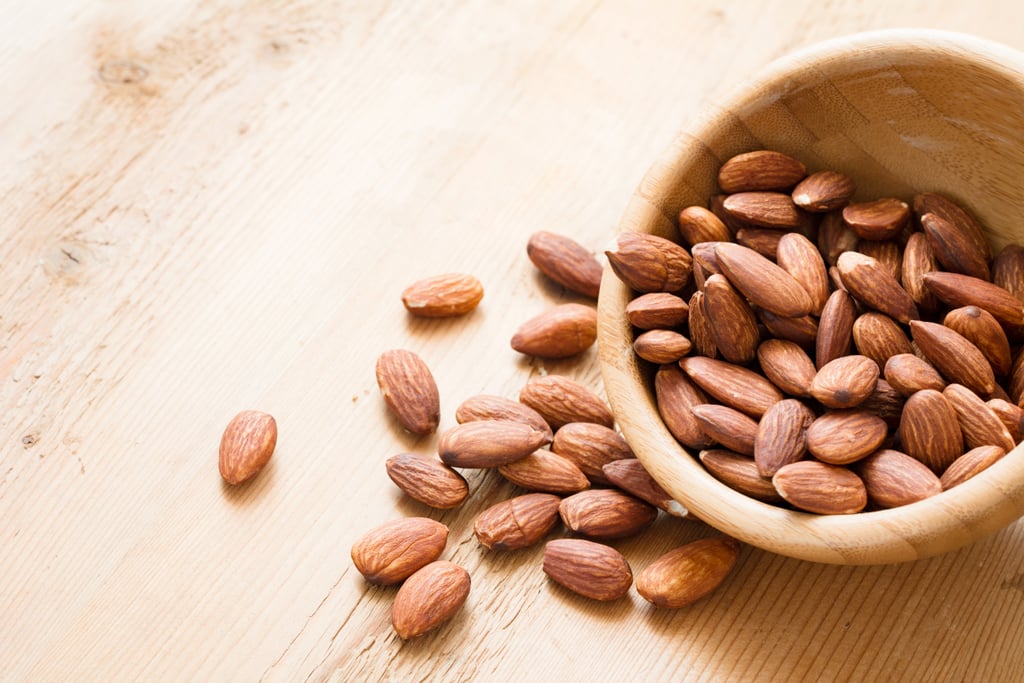
If you struggle with overeating, one solution is to eat foods like fats and proteins that keep you full for longer. One editor found that eating a small bowl of almonds before a meal helped her feel more full and stopped her from overeating at the table, which even led to some weight loss.
You might be shocked at how little protein you're actually eating. One POPSUGAR editor calculated her macros and found she was 40 grams short of her targeted protein intake, so she increased her consumption and found that she had more energy, fewer cravings, and felt more satisfied after meals. Might be worth a shot!
Is all the "make your bed, turn your life around" hype really a thing? This editor started out a skeptic and ended a believer; the practice reduced her stress, promoted other healthy habits, and even helped her sleep better.
When one editor wanted more movement in her day, she added a 10-minute workout video on top of her regular workout routine. "It was quick and easy and made me feel so good," she wrote. If you're a beginner, a 10-minute daily workout is a good way to start working out; if you just want to move more, adding a short, low-key circuit into your fitness routine might help you feel even better.
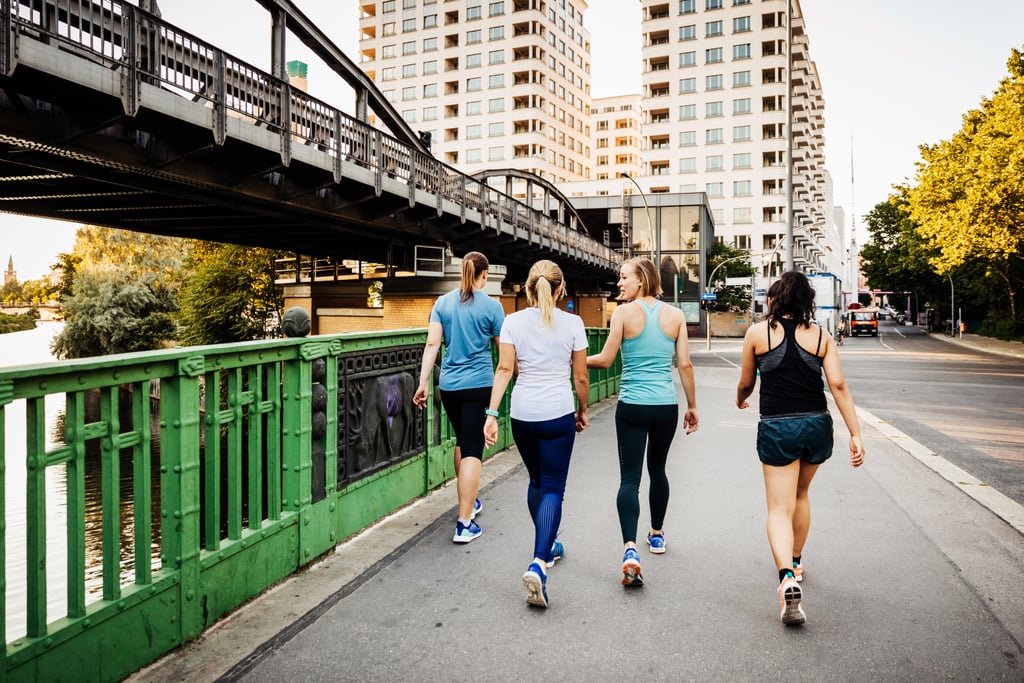
Even if you work out four or five times a week, the limitations of a desk job or a school day can cut back on how much you move. Setting a step goal gives you a specific goal to shoot for, and getting the positive feedback from your FitBit, Apple Watch, or pedometer (and from your own body) is major motivation to keep going. Our editor shot for 15,000 steps, but you can start lower and work your way up.
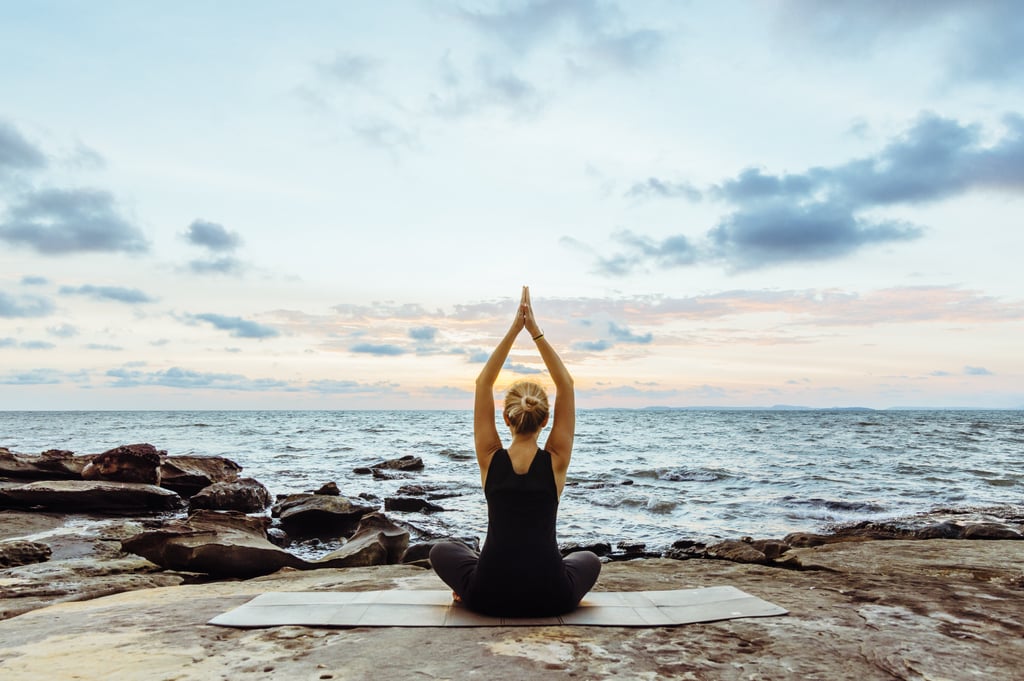
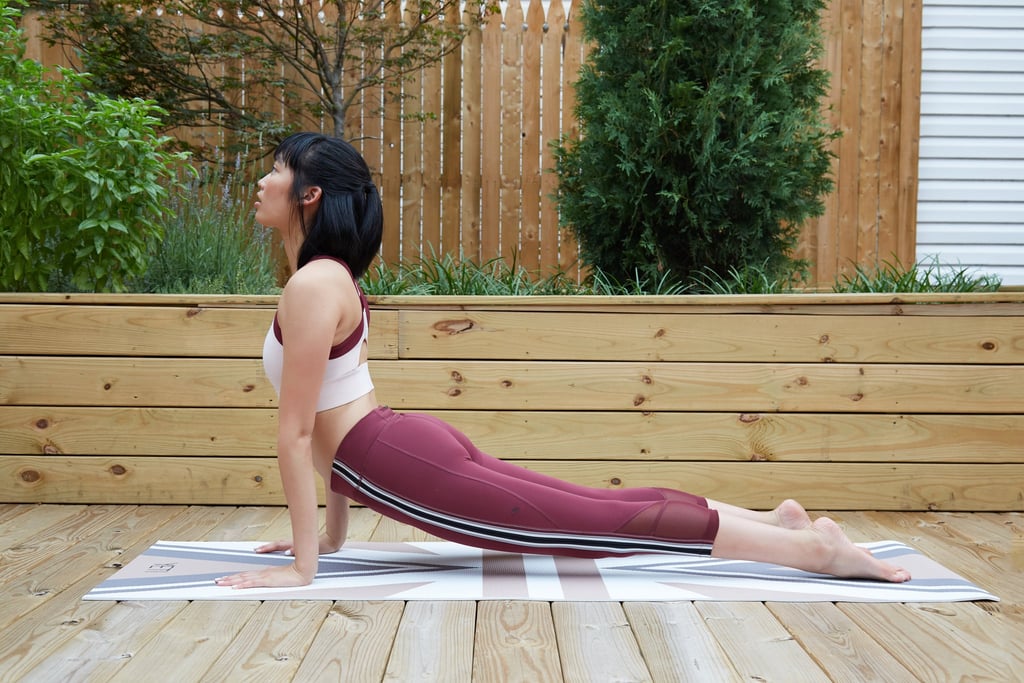
Combine stretching, meditation, and self-care, and you get yoga, a habit that all of us could probably use a little more of. Committing to a five- or 10-minute session every day is doable and will make you feel strong and centered, inside and out, according to an editor who committed to daily yoga for a month.
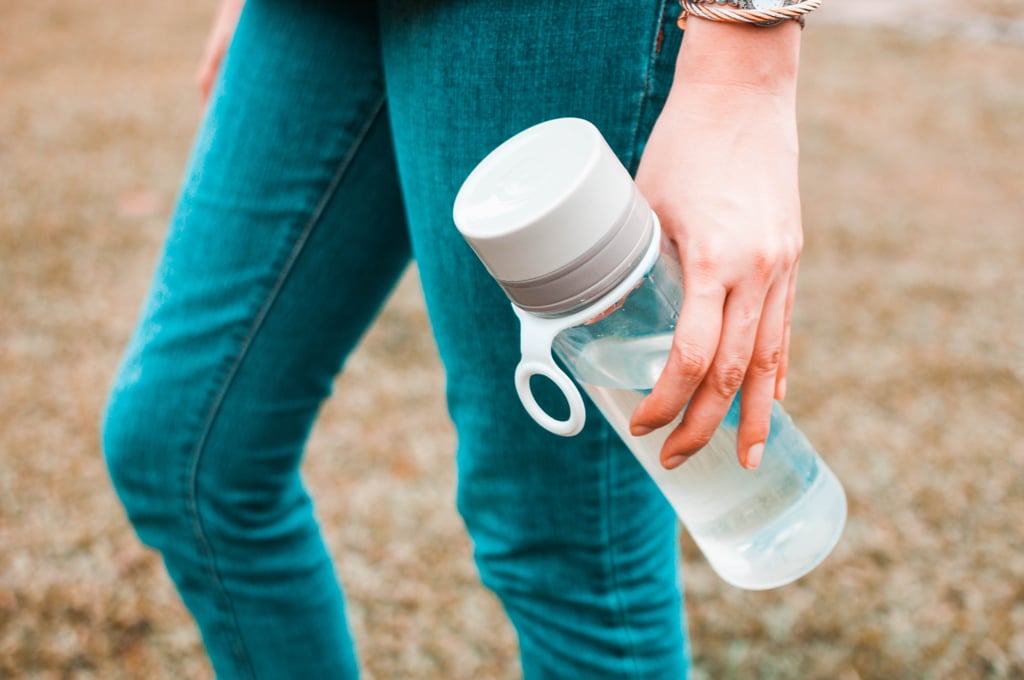
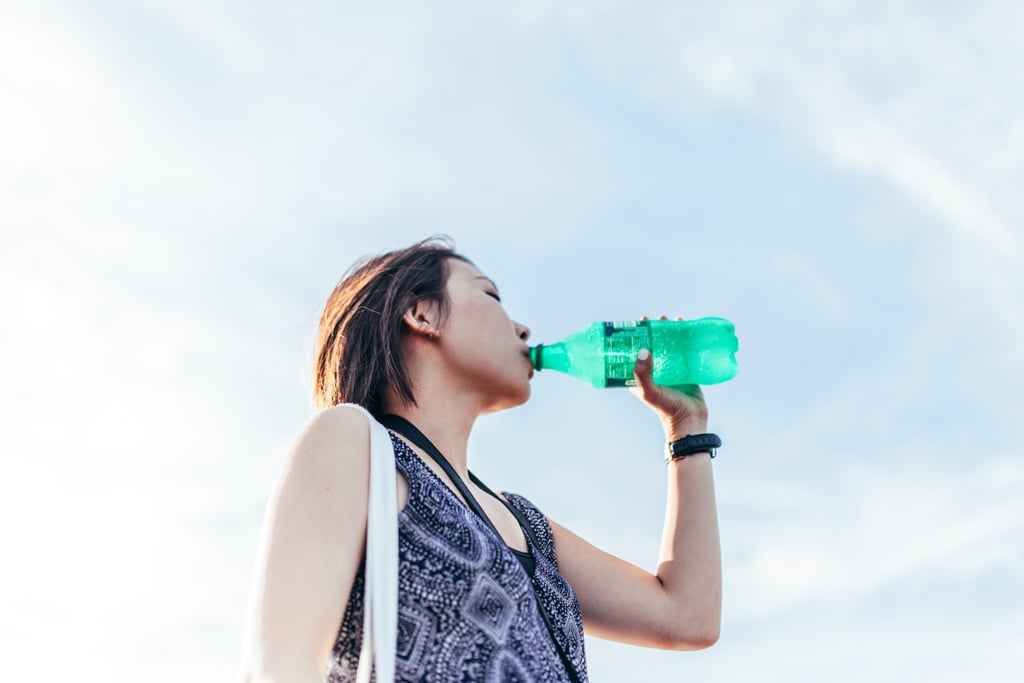
Not everyone loves the gallon-a-day challenge, but if you're one of those people who accidentally neglects their hydration from time to time (*raises hand*), it's a great way to reset and figure out how much water your body really wants. Beyond the physical effects (like weight loss and clear skin), drinking more water might even help your mental health.
The science of what added sugars do to your body and your mind just gets more and more bleak. While going cold turkey on added sugars might be too big of a challenge (and could even backfire), you can focus on cutting back on your biggest sources. Pay close attention to drinks like soda, tea, and juice and check labels for "hidden" sources in products like yogurt and ketchup.