Easy Recipes
16 Cooking Questions You're Always Googling, Answered

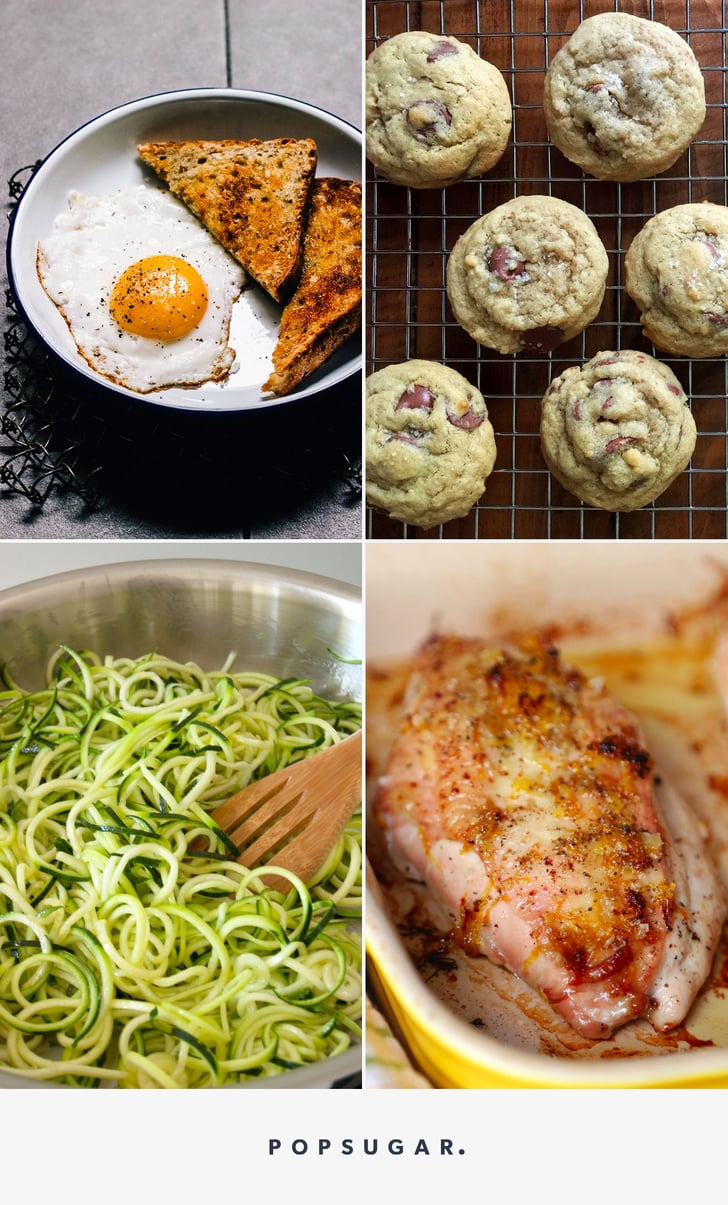
Image Sources: POPSUGAR Photography and Top With Cinnamon
Learning how to cook doesn't come without its fair share of failures. And if you're one of those people who still googles "how to tell when chicken is done" no matter how many times you've cooked it, you're not alone! We've rounded up a handful of some of the most common cooking questions — plus their answers and recipes — so that you can remember the answer the next time you come across a dilemma in the kitchen.

1 How to Tell If Chicken Is Done
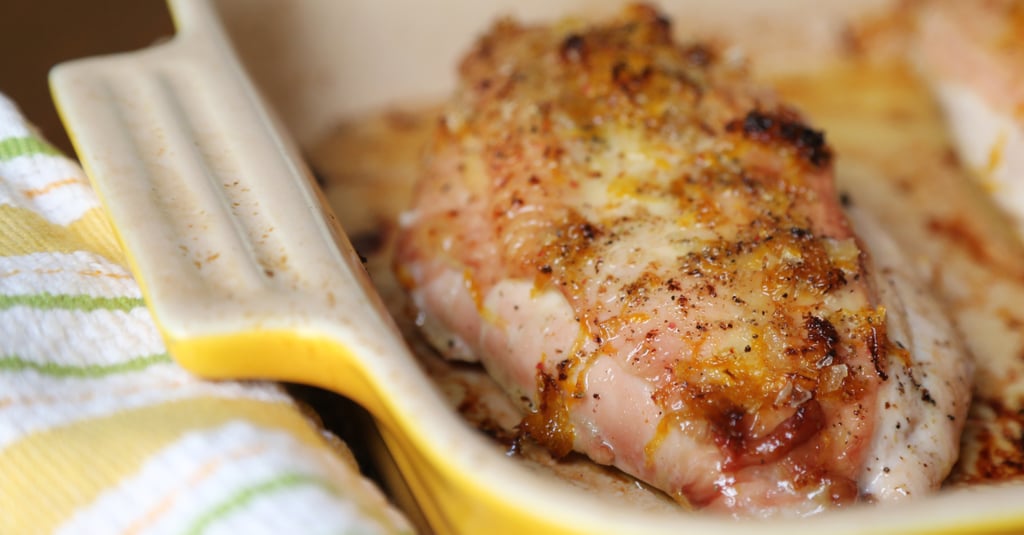
Image Source: POPSUGAR Photography / Anna Monette Roberts
2 How to Make Scrambled Eggs
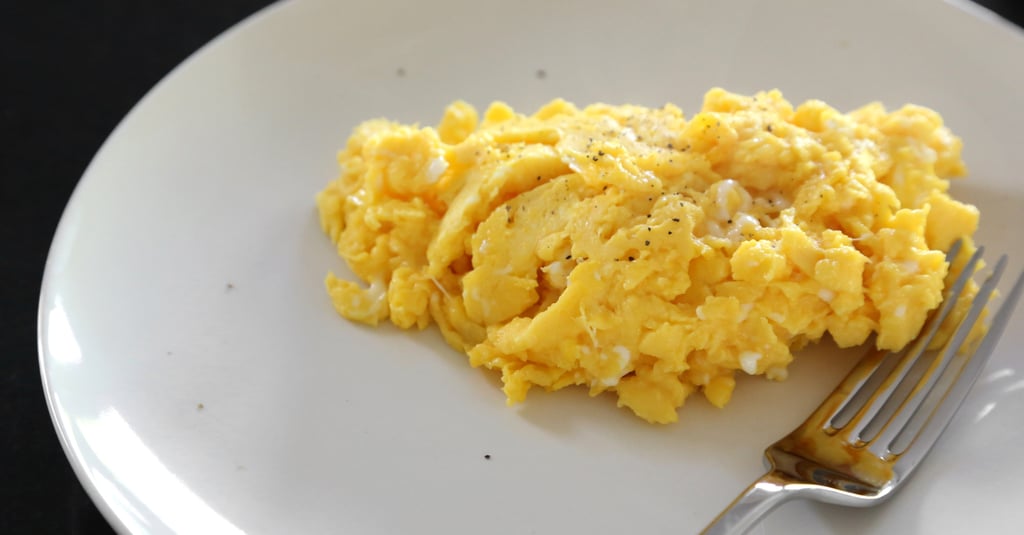
Image Source: POPSUGAR Photography / Anna Monette Roberts
3 How to Cook Steak
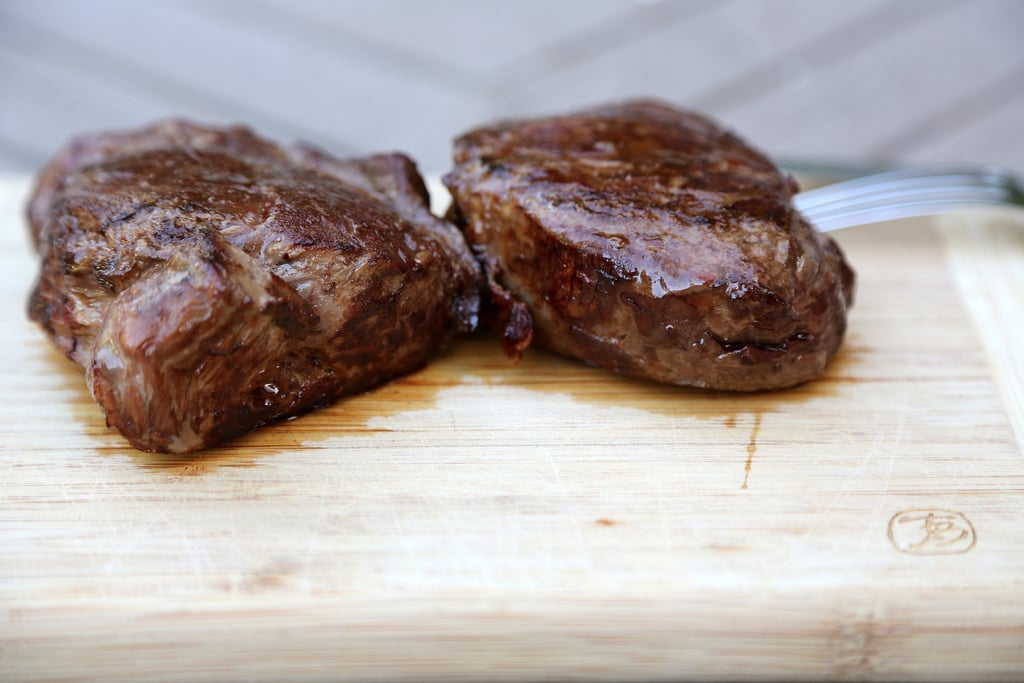
Image Source: POPSUGAR Photography / Anna Monette Roberts
4 How to Make Pancakes
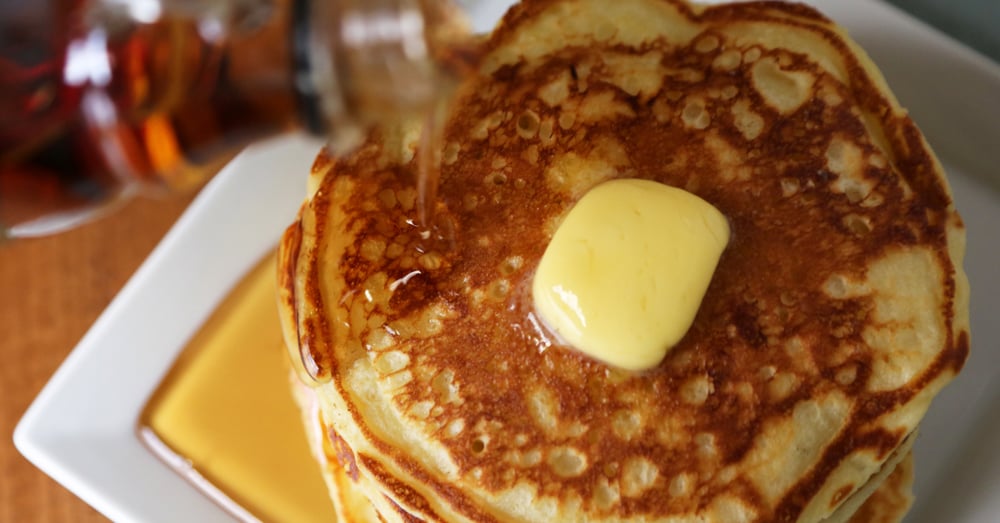
Image Source: POPSUGAR Photography / Anna Monette Roberts
5 How to Make Chocolate Chip Cookies
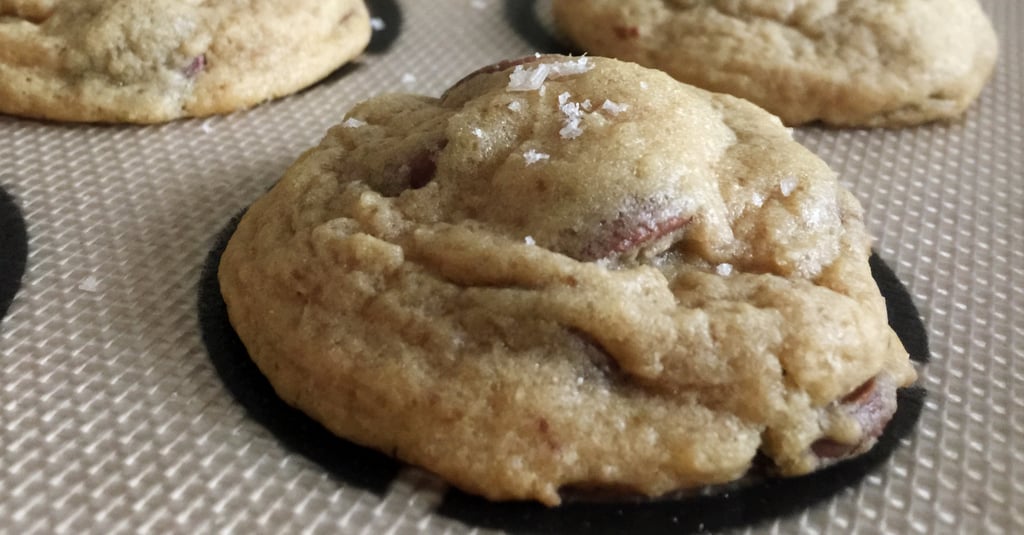
Image Source: POPSUGAR Photography / Anna Monette Roberts
6 How to Fry an Egg Over Easy
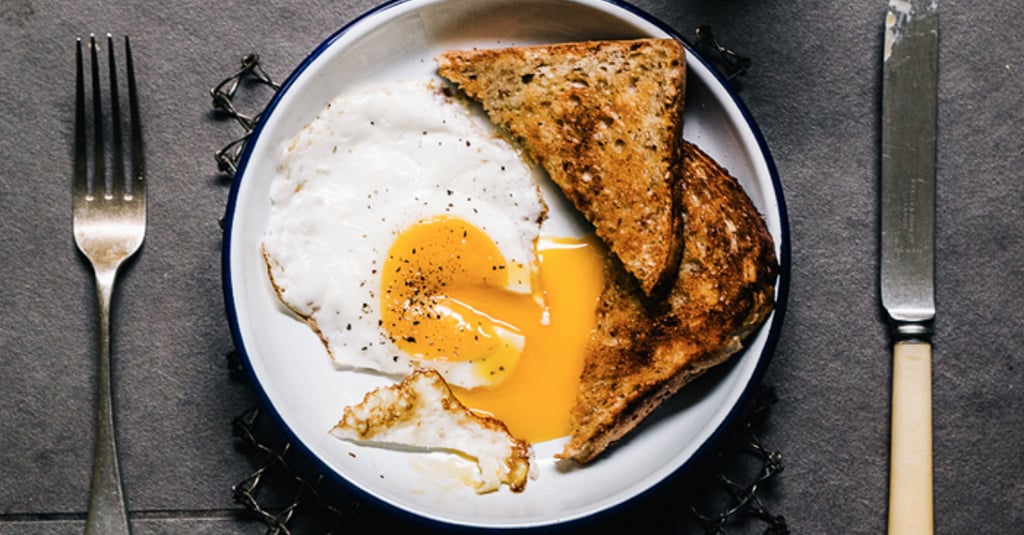
Image Source: Top With Cinnamon
7 How to Salt Pasta Water
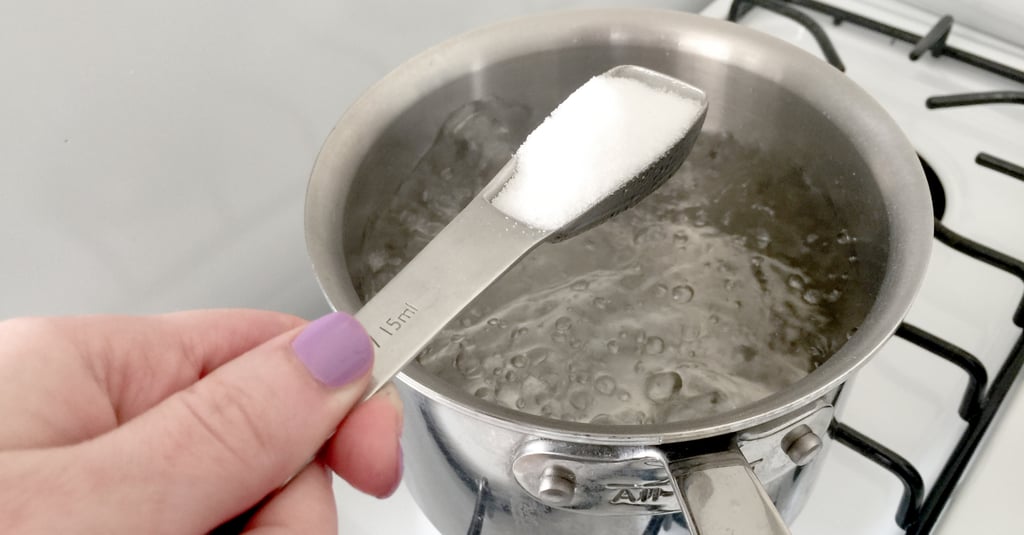
Image Source: POPSUGAR Photography / Anna Monette Roberts
8 How Long to Cook Pasta
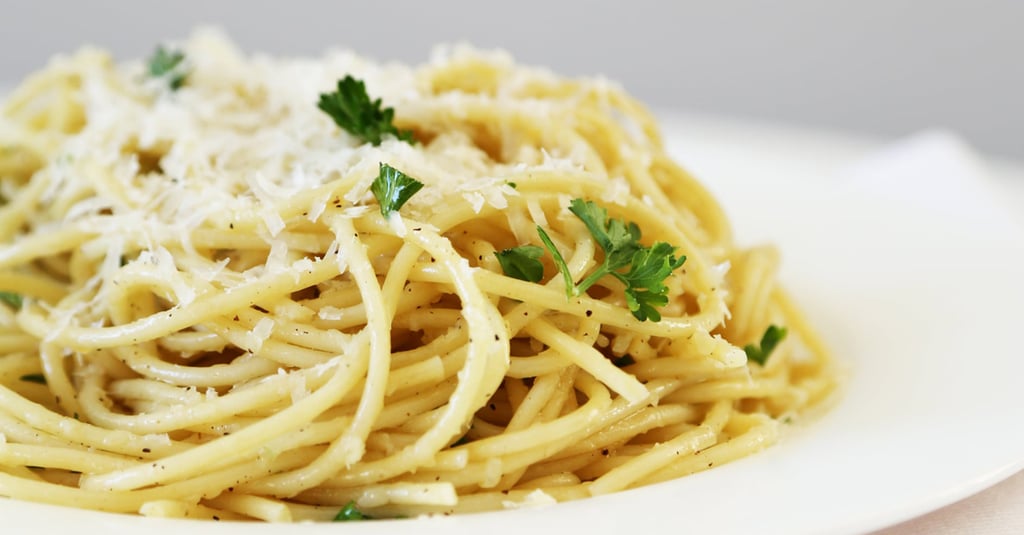
Image Source: POPSUGAR Photography / Erin Cullum
9 How to Make a Cake From Scratch
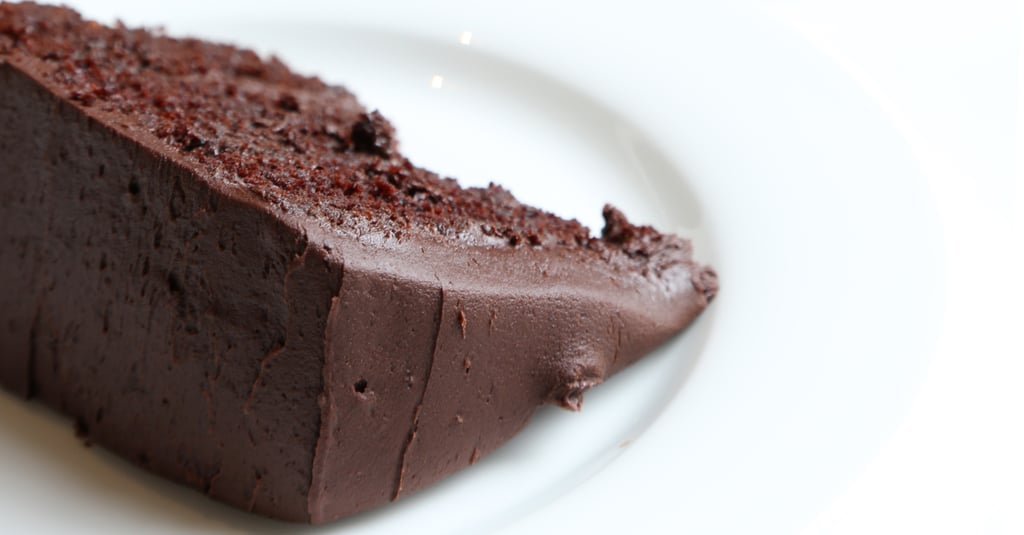
Image Source: POPSUGAR Photography / Anna Monette Roberts
10 How to Hard-Boil Eggs
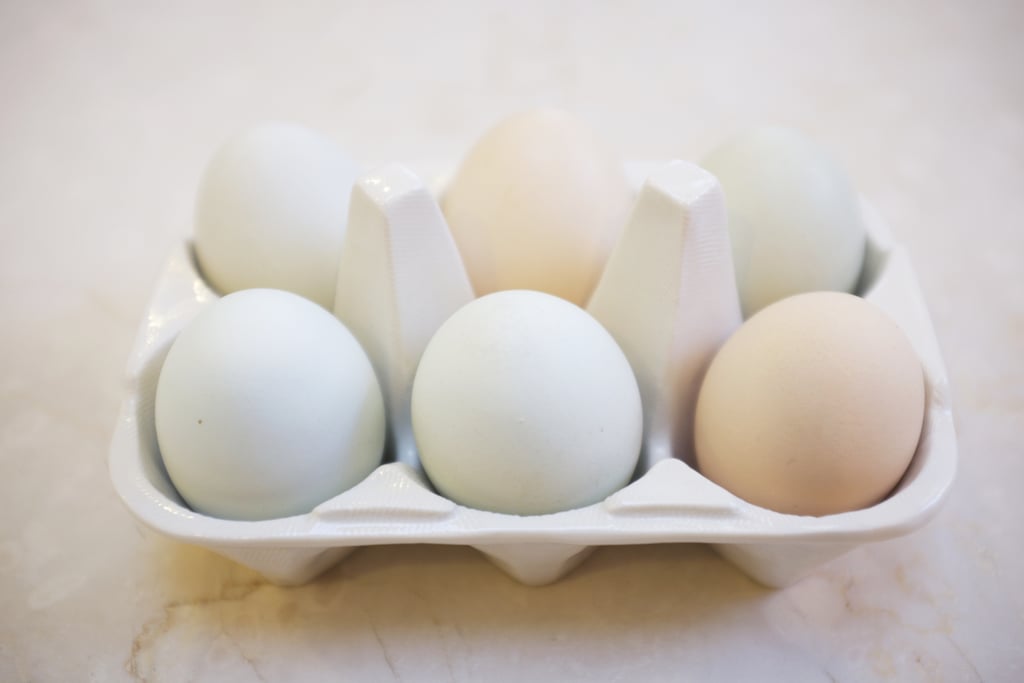
Image Source: POPSUGAR Photography / Jae Payne
11 How to Cook Zucchini Noodles

Image Source: POPSUGAR Photography / Erin Cullum
12 How to Make Herbs Last Longer
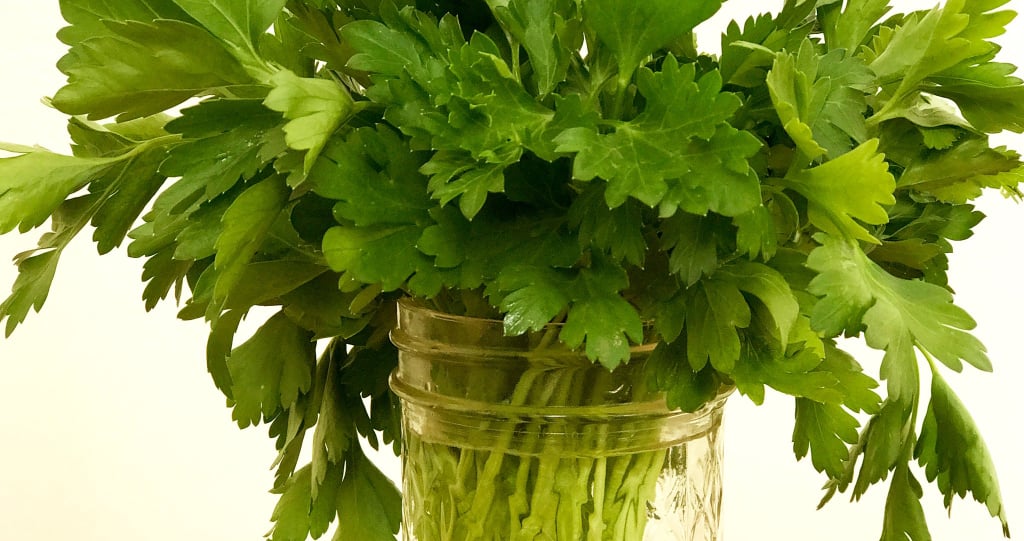
Image Source: POPSUGAR Photography / Anna Monette Roberts
13 Simple, Quick Bread Recipe
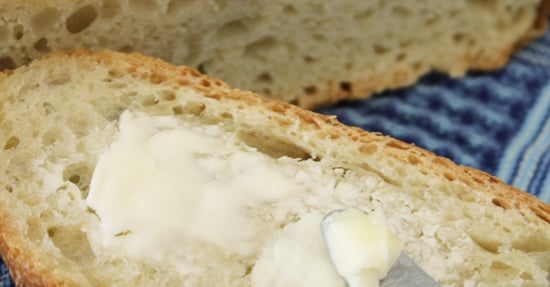
Image Source: POPSUGAR Photography / Sara Yoo
14 How to Poach Eggs
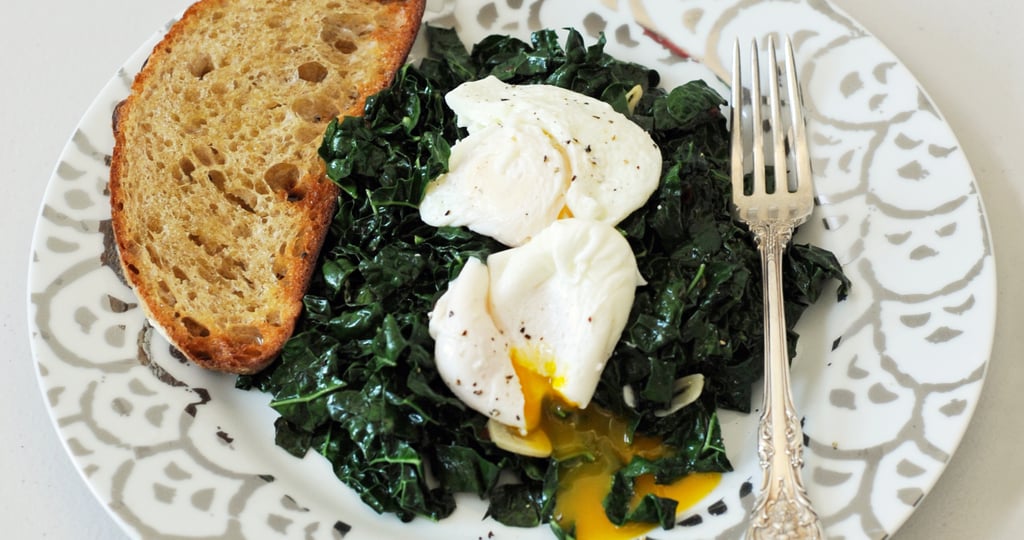
Image Source: POPSUGAR Photography / Nicole Perry
15 Basic Pizza Dough Recipe

Image Source: POPSUGAR Photography / Camilla Salem
16 How to Make Easy Chili
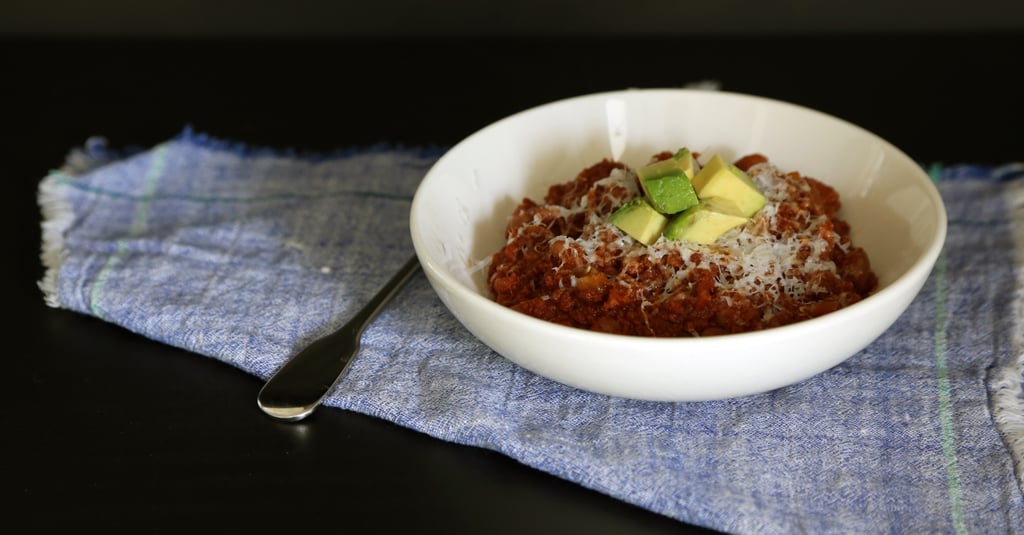
Image Source: POPSUGAR Photography / Anna Monette Roberts